
By Gary Seven
A venture into the rich tapestry of Biblical lore reveals a multitude of fascinating elements, among them, the plethora of weaponry that played pivotal roles in the historic and spiritual narratives. These instruments of conflict were not merely physical tools of war but served as significant metaphors and symbols within the larger Biblical context. This exploration delves deeper into some of these biblical narratives and the weapons that underpin them.
**DAVIDS SLING**
The account of David and Goliath in the first book of Samuel is compelling for its stark portrayal of faith overcoming towering odds. Amidst the narrative, the humble sling wielded by David emerges as a potent symbol. With the simplicity of a lone stone whirling at deadly accuracy, David defeats the Philistine giant Goliath. Far from being a random choice, the sling was a weapon of choice for shepherds defending their flock from predators. David, as a shepherd boy, was well-versed in its usage. In essence, his decision to face Goliath with his sling mirrored his pastoral roots, underlining his faith and belief in the Shepherd of Israel, delivering him from his formidable adversary.
**SAMSONS JAWBONE**
Turning the pages to the book of Judges, we encounter the extraordinary figure of Samson. Known for his Herculean strength, Samson’s weapon of choice underlines the raw, primal quality of his divine might. Opting to utilise the jawbone of a donkey, he single-handedly defeats a thousand Philistine warriors. The weapon choice, devoid of any refinement, becomes a dramatic symbol of divine intervention, enabling an individual, under God’s direction, to achieve stunning victory against overwhelming odds.
**GOLIATHS SWORD**
Continuing the course of our exploration, Goliath’s sword warrants particular attention. Following his victorious duel against Goliath, David employs Goliath’s sword to sever the giant’s head. This decapitation choreographed with the enemy’s own weapon boasts eerie poetic justice. This brutal episode etches an indelible mark on the minds, reinforcing the divine destiny of the wrongful becoming right in the eyes of the Lord.
**KING SAULS SPEAR**
King Saul’s spear, which features more than once in biblical accounts, serves as a symbol of malice and self-destruction. An ill-fated attempt to slay David exposes Saul’s groundless rage and jealousy. In an ironic twist, Saul’s own spear serves as the instrument of his death, marking a disastrous end to his reign.
**AARONS ROD**
In contrast to the primarily militant weapons, Aaron’s rod stands apart. While not a weapon in the traditional sense, it serves as a divine sign in the contest of legitimacy among Israelites in the book of Numbers. The seemingly dead rod miraculously blossoms and produces almonds overnight, substantiating Aaron’s chosen status. This fascinating episode demonstrates that divine authority can transform the mundane into the miraculous, quelling dissent and re-establishing order.
**JONATHANS BOW**
Prince Jonathan’s bow paints a poignant picture of sacred friendship. He relinquishes his bow and armour to David, symbolising a heartfelt surrender of his claim to the throne in recognition of David’s divine anointing. This profound act of humility and friendship illuminates the sacrificial nature of love in its truest form.
**ARCHANGEL MICHAELS SWORD**
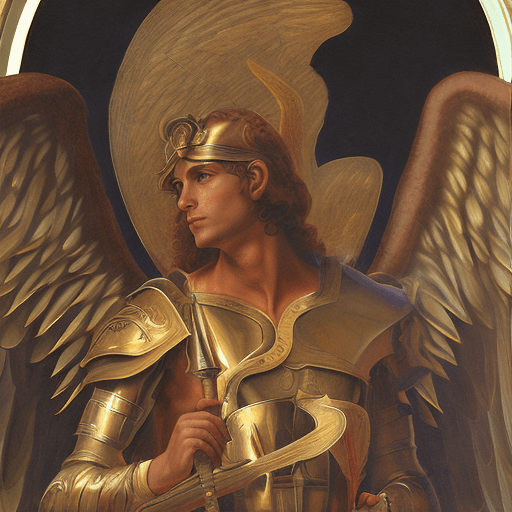
The sword of Archangel Michael carries a unique spiritual significance. Often depicted in art brandishing a sword, Michael leads the celestial armies against Satan and his minions in the Book of Revelations. His sword, a symbol of divine deliverance and justice, sever the chains of evil, ratifying the triumph of good over malevolent forces.
 The Secret Paranormal Investigator